Home Staging
How do I get my Rutherford County home ready to list without major renovations?
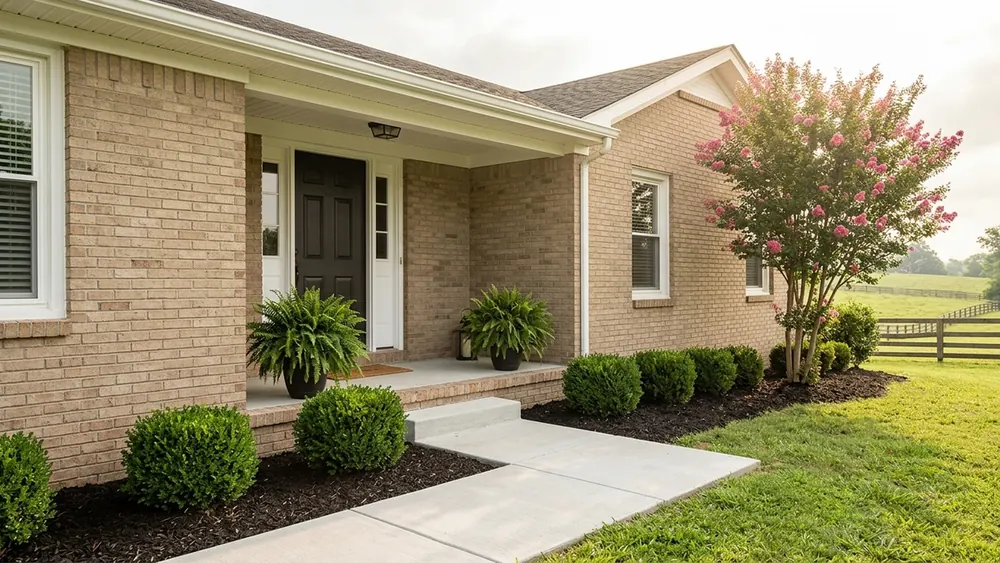
Most Rutherford County homes can be made ready to list with decluttering, cleaning, small repairs and staging rather than renovation. Fix what buyers notice right away, ask before spending on bigger upgrades, and plan the steps in order.
On this page
- Getting list-ready without a renovation
- Why small fixes come before big projects
- The order that saves time and money
- Light, paint and the details buyers notice
- Questions to ask before any bigger upgrade
- Who to ask about each part of prep
- How prep fits a home you live in
- Your first steps toward a list-ready home
Getting list-ready without a renovation
You can get most homes ready to list without a major renovation. The work that matters most is usually decluttering, a deep clean, small repairs and staging, done in a sensible order. Fix what buyers will notice right away, like dripping faucets, burned-out bulbs, sticky doors and scuffed paint, and pack away extra furniture so rooms feel open. Bigger projects deserve a pause and a question before you spend anything on them.
The reason is simple: buyers notice condition and clarity before they notice finishes. A clean, bright, well-arranged home with everything working tends to read as cared for, even if the kitchen is not new. A home with a fresh renovation but clutter, dim rooms and a leaking faucet can read the other way. Small, visible fixes shape that first impression more directly than a large project buyers may not even value.
This matters for sellers across Rutherford County because renovation decisions are easy to get wrong in both directions. Spend heavily and there is no guarantee the money comes back in the sale. Skip an obvious repair and buyers may wonder what else has been missed. The goal is a home that is clean, working and clearly presented, prepared on a schedule that fits your own timeline and the rest of your plans.
Why small fixes come before big projects
Small fixes come first because they are the things buyers see on every showing and in every photo. A loose cabinet door, a cracked outlet cover or a water stain on the ceiling each takes little effort to address, but together they can make a buyer wonder about the bigger systems. Clearing that list first also shows you what is left. Often the house looks far more finished than you expected once the small items are done.
Big projects come later, if at all, because they take time, money and decisions you may not need to make. A new kitchen or bathroom is a matter of taste, and the next owner may have different plans for it. Before you commit to anything larger than a repair, talk through whether the project fits the home, the price range and your timeline. Some projects are worth doing before a sale, and many are not.
Before you spend on an upgrade, ask whether a buyer will notice it in the first minute. If not, fix the small things first and talk it through.
The order that saves time and money
Order matters more than most sellers expect. Declutter first, because you can’t judge a room until the extra things are gone, then make small repairs, since decluttering often uncovers them. After repairs, do a deep clean so the effort shows, then stage, arranging what remains so each room has a clear purpose. Photos come last, once everything else is done, and each step sets up the next one.
Getting the order wrong means doing work twice. Paint before repairs and you may need to touch up again; clean before decluttering and the dust comes back when the boxes move. Stage before the carpets are cleaned and the furniture moves twice. A simple sequence keeps you from repeating work and keeps the photo date realistic, which matters because photos are often the first thing buyers see of your home.
It also helps to put rough dates next to each step, working back from when you want to be on the market. You don’t need a detailed schedule. You just need enough of a plan to know whether the repairs can be done in time or whether something has to give. That simple outline is often the most useful thing to bring to a first conversation about listing your home.
Light, paint and the details buyers notice
Light makes a bigger visible difference than almost anything else for the effort involved. Open the blinds, clean the windows, replace dim or mismatched bulbs and make sure every room has a working light. Rooms that look dark in photos tend to look smaller too. Good light helps buyers understand the shape of a space, which is exactly what you want them to notice when they are deciding whether to visit.
Paint is the other common question. Touching up scuffs and patching nail holes is almost always worth doing, while repainting whole rooms depends on the condition and color of what is there now. A very bold color or heavily marked walls may be worth addressing, while walls in decent shape may only need cleaning. If you are unsure, ask before you buy paint, since it is an easy question to answer in person.
Questions to ask before any bigger upgrade
Sometimes a larger project does come up, like flooring that is badly damaged or an appliance that no longer works. Before you commit, run it through a few questions. They are not meant to talk you out of anything. They are meant to make sure the decision is about the sale and the buyers who will see the home, rather than about what you would choose if you were staying.
- Whether buyers will notice the problem in photos or on a first showing
- Whether a repair would solve it, rather than a full replacement
- Whether the project can be finished before the photo date you planned
- Whether it is the kind of issue a buyer’s inspection would bring up
If the answers point toward doing the project, plan it around the rest of your prep so it doesn’t push back cleaning, staging or photos. If they point away, note the issue and set it aside for the pricing conversation. Sometimes the right move is to be upfront about a known issue and price with it in mind, and questions about what you must disclose belong with a real estate attorney.
Who to ask about each part of prep
Getting ready to list involves a few different kinds of questions, and they don’t all belong with the same person. Some are about presentation and the listing plan, while others are about the condition of the house, or about legal and insurance matters that need a professional answer. Sorting them out early helps you get answers that actually apply to your home. Here is a simple way to think about it.
| Question | Why it matters | Who to ask |
|---|---|---|
| Which repairs to make before listing | Visible fixes shape the first impression | Your REALTOR®, in the listing plan |
| Whether an upgrade is worth doing | Bigger projects cost time and money | A listing conversation, before you spend |
| Condition of the roof and systems | Hidden issues can surface in a buyer’s inspection | A licensed home inspector |
| What you must disclose to buyers | Disclosure questions carry legal weight | A real estate attorney |
| Coverage while work is underway | Work on the home can raise insurance questions | Your insurance agent |
Some sellers choose a pre-listing inspection to learn about condition before buyers do. Whether that makes sense depends on the home and your plans, so it is worth discussing rather than assuming. Either way, the point of the table is that each question has a natural owner. Bringing the right question to the right person keeps your prep focused and saves you from acting on general advice that may not fit your house.
How prep fits a home you live in
Most sellers are living in the home while they prepare it, and that shapes the plan. Pack early, because you are moving anyway and fewer belongings make every other step easier. Keep out what you use each week and box the rest. A room set aside for boxes is fine during prep, but it helps to clear it or arrange it neatly before photos so buyers can see what the room is for.
Plan the messier work, like patching and painting, for stretches when it disrupts the household least, and leave the deep clean and staging for last so the house is at its clearest on photo day. If you are also buying another home, build your prep timeline around both moves. A little coordination up front keeps the listing from feeling like it has taken over your whole life.
Your first steps toward a list-ready home
Start with a walk-through and a notepad. Go room by room as if you were a buyer seeing the house for the first time, and write down everything you notice: clutter, dim corners, drips, scuffs, sticky doors and rooms without a clear purpose. Then sort the list into things you can handle yourself, things that need help, and things you are unsure about. That sorted list is the beginning of a plan.
Bring that list, your rough timeline and any questions about bigger projects to a first conversation. Staging is part of how Kelly prepares a listing, so presentation, repairs and timing get planned together rather than one at a time. Whether your home is in Murfreesboro, Smyrna, La Vergne or elsewhere in Rutherford County, you can start with whatever is on your list today. What is the first thing on yours?
This article is general information about buying and selling a home in Murfreesboro, Rutherford County and Middle Tennessee. It is not legal, tax, lending, appraisal or inspection advice and does not predict prices or promise results. Staging does not guarantee a sale price or timeline. Confirm schools, taxes, zoning, wells and septic with official sources and qualified professionals, contracts with a real estate attorney, and financing with a lender. Kelly Horna, SimpliHOM.

Written by