Home Buyers
What should I ask about a home in a Murfreesboro subdivision before making an offer?
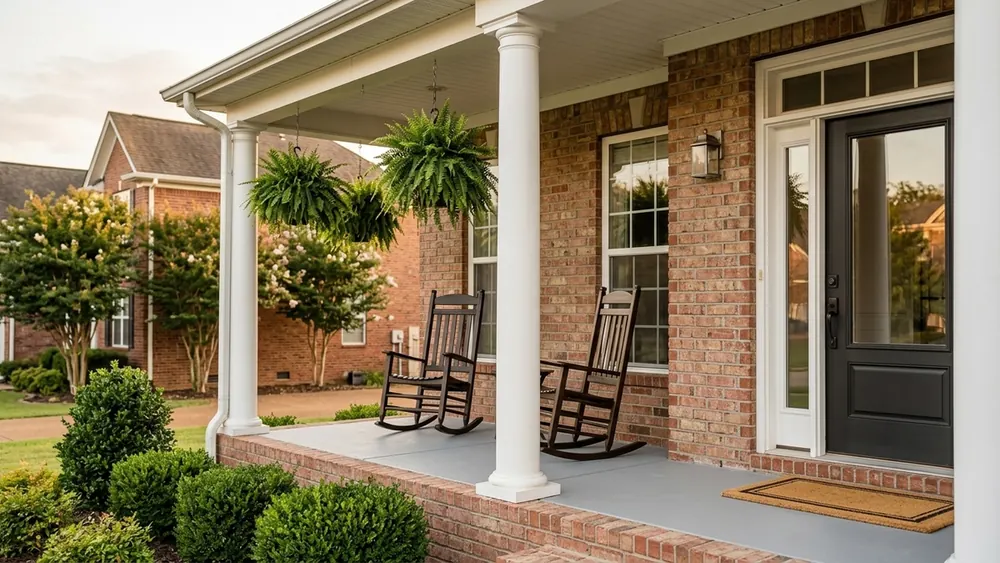
Before an offer in a Murfreesboro subdivision, ask for the home’s update history, compare it with recent sales of similar homes nearby, and get any homeowners association rules and fees in writing from the association or its recorded documents.
On this page
The questions that matter before an offer
Before you make an offer on a home in a Murfreesboro subdivision, ask three things: what has been updated and when, how the home compares with recent sales of similar homes nearby, and what the homeowners association rules and fees are, if there is an association. Those answers explain most of the price, show you what upkeep may be coming, and tell you whether the home fits the way you plan to live.
Subdivisions can make homes look easier to compare than they are. When houses share a street, a general style and similar floor plans, it is tempting to treat them as interchangeable. They rarely are. Two homes in the same Murfreesboro subdivision can differ a great deal in roof age, systems, flooring, kitchens, baths and lot, and those differences are usually what explain the gap between two prices.
Asking the right questions early also protects your time. If an association rule would block a fence, a shed or the way you park, you want to know before you are under contract, not after. If a home’s systems are near the end of their working life, you want that in your thinking when you decide what to offer. Good questions turn a pleasant showing into a clear decision.
Start with the home’s update history
Ask for the update history on any home you are serious about. Which major systems have been replaced, and roughly when? What about the roof, the windows, the flooring, the kitchen and the baths? Sellers may have receipts, warranties or simple notes. The goal is not to judge the seller. It is to understand what you are buying and what work might be ahead of you after closing.
Then confirm what you hear. A licensed home inspector can look at the condition of the house and its systems during your contract period, and that inspection is the right way to confirm condition before you close. Update history tells you what was done. The inspection tells you how it is holding up. Kelly can help you read the two together so the questions you raise with the seller are specific and reasonable.
In a subdivision, the homes can look alike from the street. I always ask what has been updated and when, because that usually explains the difference in price.
Comparing homes that look alike
In Murfreesboro subdivisions such as The Maples and Triple Crown Farms, homes can share a street and a general look while differing in everything that affects daily life. Comparing them is clearest when you use the same handful of measures for each: size, condition, updates and lot. Write those down for every home you tour, and the reasons behind each price start to become visible.
Layout matters as much as square footage. Two homes of similar size can live very differently depending on where the bedrooms sit, how the kitchen connects to the living space, and how much light each room gets. Pay attention to how the rooms work for your household, not just how they look in listing photos. Photos show a home from its strongest angle. A showing tells you how it actually flows.
Recent sales of similar homes nearby help you judge whether the asking price fits the home’s condition. Ask to see those sales and compare the details side by side: size, updates, lot and how long ago each one sold. A sale from many months ago, or a home with a very different level of updates, tells you less than a recent sale of a similar house. An appraiser gives a formal view of value if your lender requires one.
Walking the lot, not just the house
Walk the lot, too. Slope, drainage and the way the yard is laid out can matter as much as the inside of the house. Notice where water might collect after a heavy rain, how the yard is shaded through the day, and whether the space works for the way you want to use it, whether that means a garden, a patio or room for a dog to run. Those details are easy to miss at a busy showing.
Ask about the lot lines as well. In a subdivision, a fence, a driveway or a shed can sit close to a neighbor’s property, and it helps to know where the lines actually are. A survey from a licensed surveyor shows the boundaries, and a real estate attorney can explain any recorded easements, such as utility access along the back of a lot. Raising those questions early keeps surprises out of the contract period.
Association rules and fees to confirm
Before you make an offer, find out whether the subdivision has a homeowners association, and if it does, get its rules and fees in writing. Association rules can cover fences, exterior colors, parking, rentals and outbuildings. Fees and what they pay for vary from one community to the next. Do not rely on what a neighbor or a listing says. Go to the association or its recorded documents and ask:
- Which exterior changes, fences or outbuildings need association approval
- What the current fees are and what they pay for
- Whether there are parking, rental or home business restrictions
- Whether any special assessments or planned projects are under discussion
If a rule would change how you plan to use the home, find out before you are under contract, not after. Read the documents with your own plans in mind: a fence for a dog, a workshop in the garage, a boat or trailer in the driveway. A real estate attorney can explain anything that is unclear. Those answers are part of the home, as much as the kitchen or the roof.
A checklist for each home you tour
Use the same questions for every home in the subdivision you are considering, so you compare like with like. The table below pairs each question with the reason it matters and the person or source who can answer it. Keep a copy for each home and fill it in right after the showing, while the details are still fresh and before the next house starts to blur them.
| Question | Why it matters | Who answers it |
|---|---|---|
| What has been updated, and when | Explains price and future upkeep | The seller, through disclosures and records |
| What condition are the systems in | Confirms what the update history claims | A licensed home inspector |
| How do recent nearby sales compare | Shows whether the price fits the home | Kelly, from recent nearby sales |
| What are the association rules and fees | Can limit how you use the home | The association or its recorded documents |
| Where do the lot lines sit | Affects fences, sheds and driveways | A licensed surveyor |
Taxes and schools belong on your list too, but answer them from official sources, not from the subdivision name. School assignments and property taxes can differ from one address to the next, even inside one subdivision. Ask the school district and the county assessor or trustee about the specific address. An insurance agent can explain coverage for the home, and a lender can explain how it fits your financing.
Turning your answers into an offer
Once you have the update history, the inspection plan, the comparison with recent nearby sales and the association documents, you can decide what to offer with far fewer unknowns. A home that needs a new roof soon and a home with a recent roof are not the same purchase, even at a similar price. Your answers tell you which differences matter to you and which ones you can live with.
Timing the questions matters too. Some answers, like update history and association rules, are worth getting before you write an offer. Others, like the inspection and an appraisal, happen during the contract period. Ask a real estate attorney about contract terms and deadlines, since those vary. Kelly can help you sort which questions come first, so nothing important is left until the last moment.
What to bring to a first conversation
Before you start touring Murfreesboro subdivisions seriously, write down your must-haves, your nice-to-haves and your price range after talking with a lender. Add any plans an association could affect, like a fence, a shed, a home office or parking for a work vehicle. If you already have subdivisions in mind, such as The Maples or Triple Crown Farms, list them with a note on what drew you there.
Bring that list to a first conversation and use it as the starting point. From there, each showing becomes a chance to answer specific questions rather than collect impressions. If you are looking at a home in a Murfreesboro subdivision and are not sure what to ask first, bring the listing to Kelly and talk it through. Which of these questions would change your offer the most?
This article is general information about buying and selling a home in Murfreesboro, Rutherford County and Middle Tennessee. It is not legal, tax, lending, appraisal or inspection advice and does not predict prices or promise results. Staging does not guarantee a sale price or timeline. Confirm schools, taxes, zoning, wells and septic with official sources and qualified professionals, contracts with a real estate attorney, and financing with a lender. Kelly Horna, SimpliHOM.

Written by