Home Staging
What does home staging involve if we’re still living in the house?
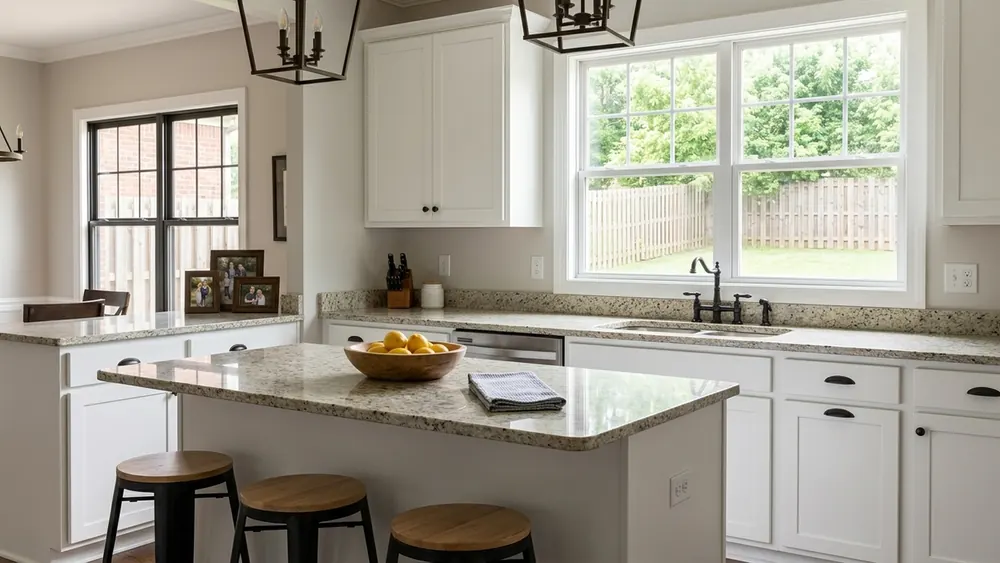
Staging a home you live in means editing rooms so they photograph clearly, then keeping the house close to that look with simple daily habits. It is about layout, light and a fast reset before showings, not about moving out.
On this page
What staging means when you still live there
Staging a home you still live in means arranging each room so it photographs clearly and shows well, then keeping it close to that version of itself while life goes on. You don’t move out or empty the house; you edit. Extra furniture, everyday clutter and personal items get packed or put away, and what stays is arranged so buyers can see how each room works. The rest is a set of habits that make resetting quick.
The aim is not a showroom. Buyers know people live in homes. What helps is a home where the layout is easy to read, the light is good and surfaces are mostly clear, so a buyer’s attention goes to the space instead of the things in it. That is achievable in a lived-in house, as long as the staging is planned around how your household actually uses each room from day to day.
This matters because the photos come first. In Murfreesboro and across Rutherford County, many buyers decide which homes to visit based on listing photos, so the house needs to look its clearest on photo day. After that, the work is keeping it close enough to those photos that buyers walking through on a showing see the same home they saw online. Staging does not guarantee a sale price or timeline, but it helps buyers see what is there.
Packing early makes everything else easier
The biggest single step is packing before you list rather than after. You will be moving anyway, so boxing up out-of-season clothes, extra dishes, books, decor and keepsakes now does double duty. It clears rooms for photos and gets a head start on the move. Closets matter too, because buyers open them, and a half-empty closet reads as generous storage while a packed one suggests the house is short on space.
Decide early where the boxes will live. A garage corner, a storage unit or one room set aside can work, but a room full of boxes is a room buyers can’t picture using. If you need a room for storage, stack things neatly against one wall and keep the floor visible. Whatever you choose, make the choice before the photos, so the plan doesn’t change halfway through the listing.
Packing early also makes the house easier to keep tidy. Fewer things out means fewer things to put away each morning, and that is what makes daily life during a listing manageable. Sellers who pack lightly often spend a lot of time resetting before every showing, while sellers who pack more find the reset takes very little effort. Keep out what you use every week, and box up the rest for the move.
Arranging rooms around how you really live
Once the extra things are packed, each room gets arranged so its purpose is clear. That might mean moving a desk out of a bedroom, pulling furniture away from walls to create a natural walkway, or turning a catch-all room back into a bedroom or office. The changes are about clarity. A buyer looking at a photo should know in a moment what the room is for and roughly how much furniture fits.
Because you still live there, the arrangement has to work for your household too. A layout that photographs well but makes cooking dinner a chore won’t last long. The better approach is to find an arrangement that is clear for buyers and still livable for you, even if it means a few small compromises, like keeping a favorite chair in a bedroom for a while. Practical staging is staging you can actually live with.
Light is the other half of the arrangement. Open the blinds, swap out dim or mismatched bulbs, and make sure each room has a working lamp or overhead light. Rooms that photograph dark tend to look smaller than they are, and light also helps on showings, because buyers form impressions quickly and a bright room feels easier to understand. These are small, low-effort steps that fit easily into a lived-in home.
Daily habits that keep the house showable
After photo day, the job is staying close to show-ready without wearing yourself out. The trick is a short routine you repeat, rather than a big clean before every showing. Most sellers find that a handful of habits, done at the end of each day, keep the house close enough that a showing request becomes a small task instead of a scramble. Habits like these tend to help the most.
- Clearing kitchen counters and the sink each night before bed
- Making beds and opening blinds each morning before leaving the house
- Keeping one basket per room for quick pickups when a showing is booked
- Setting a spot in the car for pet items, laundry and daily bags
None of these take long on their own, and together they mean you are rarely starting from scratch. If someone in the household works from home or keeps unusual hours, adjust the routine to fit. The goal is not perfection on every showing. It is a home that consistently looks like the photos, so the buyers who chose to visit see what they expected and can focus on the house itself.
Who handles which part of staging
Staging a lived-in home is shared work. Some parts are naturally yours, because only you know what your household needs day to day, while others belong to the listing plan, where presentation is weighed alongside price and timing. A few questions belong to other professionals entirely, and sorting that out early keeps anyone from assuming someone else is taking care of a task. Here is a simple way to divide it up.
| Task | Why it matters | Who handles it |
|---|---|---|
| Packing extra belongings early | Clears rooms and starts the move | You, before photo day |
| Deciding which rooms to stage | Focuses effort where buyers look first | Kelly, as part of the listing plan |
| Small repairs and touch-ups | Buyers notice drips, scuffs and sticky doors | You, or a handyman you choose |
| Scheduling the photo date | Photos should show the staged, clean home | Set together in the listing plan |
| Coverage for items in storage | Coverage for stored belongings can vary | Your insurance agent |
The last row is easy to overlook. If you move belongings into a storage unit or a relative’s garage while the home is listed, ask your insurance agent how those things are covered. It is a quick question that avoids a surprise later. Everything else on the list is about coordination, making sure the packing, repairs, staging and photos happen in an order that saves you from doing any of them twice.
Showings, pets and the rest of daily life
Showings are where living in a staged home feels most real. Requests can come at inconvenient times, so it helps to agree on a plan for where you will go, what you will grab and how quickly you can reset. Some sellers keep a short checklist by the door, and others give each household member one room to handle. Either way, the point is to make leaving for a showing routine rather than stressful.
Pets need their own plan. Bowls, beds, litter boxes and crates can go into one bin that leaves with you, and a pet left at home can distract buyers from the house. Think about smells too, from pets, cooking or anything else, since buyers notice them right away. Fresh air and a clean house do more than any candle, and these details, while small, shape how a showing feels.
Getting ready for the staging conversation
Before you sit down to plan staging, take a slow walk through your home and look at it the way a buyer would. Notice which rooms feel crowded, which are dark and which have lost their purpose to storage. Think about how your household will live during the listing period, and be honest about what is realistic. It also helps to have a few notes ready before that conversation.
- Rooms you think feel crowded, dark or unclear in purpose
- Belongings you could pack now without missing them for a while
- Repairs you already know about, even small ones like loose handles
- Household schedules, pets and anything that affects when showings can happen
With those notes, staging a lived-in home becomes a plan you can follow instead of a disruption you dread. Staging is part of how Kelly prepares a listing, so presentation sits inside the bigger plan with price and timing. If you are preparing to list in Murfreesboro or elsewhere in Rutherford County, a walk through the house together can sort out what to pack, what to move and which rooms come first. Which room in your home worries you most?
This article is general information about buying and selling a home in Murfreesboro, Rutherford County and Middle Tennessee. It is not legal, tax, lending, appraisal or inspection advice and does not predict prices or promise results. Staging does not guarantee a sale price or timeline. Confirm schools, taxes, zoning, wells and septic with official sources and qualified professionals, contracts with a real estate attorney, and financing with a lender. Kelly Horna, SimpliHOM.

Written by