Home Sellers
How should recent sales on my street affect my Murfreesboro list price?
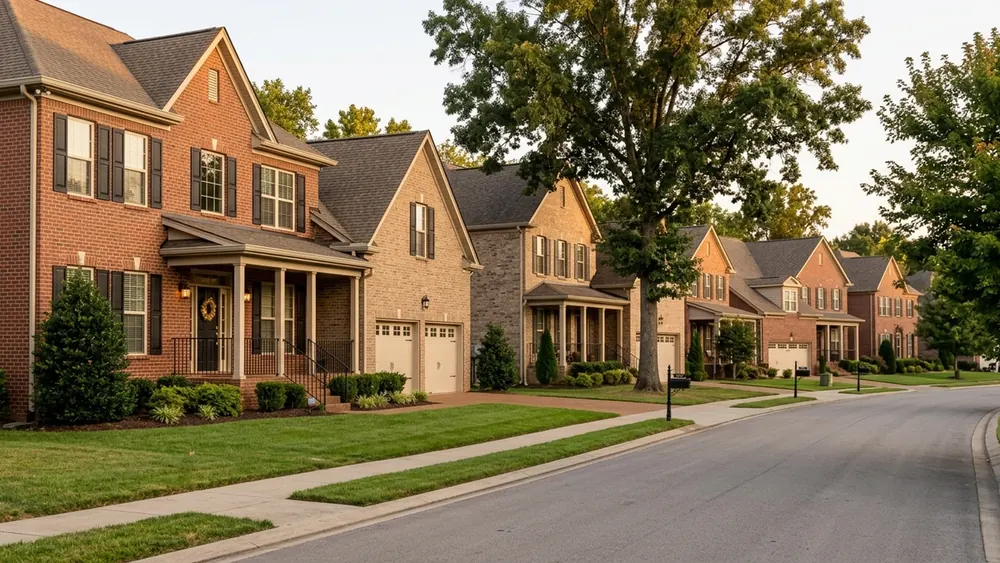
Recent sales on your Murfreesboro street are a strong starting point for a list price, but each one needs adjusting for condition, size, updates, lot and timing before it tells you anything about your own home.
On this page
A neighbor’s sale is a starting point
Recent sales on your Murfreesboro street should shape your list price, but only after you adjust each one for the differences that matter: condition, size, updates, lot, layout and how long ago it closed. A neighbor’s sale tells you what one buyer paid for one house at one moment. It is the most relevant evidence you have, and it is still only a starting point.
This matters because a list price does two jobs at once. It has to make sense to the buyers scrolling listings this week, and it has to hold up when a buyer’s lender orders an appraisal. A number copied from the house next door can miss on both counts. It can sit too high for the condition of your home, or too low for the work you have put into it. Either miss is easier to avoid at the start than to correct later.
It also matters because buyers do this comparison themselves. Anyone touring your home has probably looked at the same nearby sales you have. When your price lines up with what they can see in the photos and on the visit, the conversation stays on the house. When it does not, the conversation shifts to the gap, and that is a harder place to start.
Why two similar houses rarely match
Homes on the same Murfreesboro street often share a builder, a floor plan and a similar age, so it is easy to assume they should sell for the same price. In practice, small differences add up. Two houses can look alike from the curb and still read very differently once a buyer walks through, and those differences are what a careful comparison is meant to catch. A buyer will notice them within minutes of walking in, so it pays to notice them first. These are the differences that most often separate two homes on one street.
- Condition of the roof, systems and finishes, and how recently each was addressed
- Updates to kitchens and baths, and whether the work suits the rest of the home
- Lot position, including backyard space, slope, and what sits behind the home
- Layout and how each room reads in photos and on a walk-through
What to compare before trusting a number
Before a neighbor’s sale price becomes your price, line up the details side by side. Kelly works through this with sellers as part of the listing plan, and the order matters: start with the facts you can confirm, then weigh the ones that take judgment. Writing them down keeps the comparison honest instead of hopeful. If a detail is unknown, mark it unknown rather than guessing. These are the details to gather for each recent sale nearby.
- When the sale closed, since conditions can change between one season and the next
- Finished square footage and bedroom and bathroom count from the listing record
- Visible updates in the listing photos compared with the updates in your home
- Whether the home was vacant, staged or lived in when it was photographed
- Any concessions or unusual terms you can learn about from the sale
How condition and presentation change the picture
Condition is often the biggest reason two nearby sales land in different places. A home with a recently replaced roof and updated systems answers questions a buyer would otherwise ask. A home that needs work invites a buyer to subtract the cost of that work in their head, and buyers rarely subtract conservatively. So when you read a neighbor’s sale, ask what condition the home was in, not just what it sold for.
Presentation matters too, and it is part of how Kelly prepares a listing. Staging is planned alongside price and timing from the first conversation, because the photos are where many buyers first meet your home. If the house down the street sold with dated photos of crowded rooms, its price may reflect that. Your home, prepared and photographed well, is being judged on different evidence.
That does not mean staging adds a set amount to a price. It does not, and nobody can promise it will change a sale result. What it does is help buyers understand the space they are paying for. When you compare your home to a recent sale, think about how each one looked to a buyer, because that first impression is part of what the sale price recorded. Presentation is one more difference to account for, alongside size and condition.
When your street has few or no sales
Some streets in Murfreesboro go a long stretch without a sale, and some subdivisions, such as The Maples or Triple Crown Farms, have sales spread across several streets. When your own street has no recent sale to point to, the comparison widens to nearby streets with similar homes, and then to similar homes elsewhere in the subdivision or the surrounding part of Rutherford County. That is normal, and it simply means the comparison takes a little more care and a little more explaining.
Each step outward adds more homes to compare and more differences to account for. A sale a few streets away may be a closer match than one next door if the size, age and condition line up better. The goal is not the nearest sale, it is the most similar one. Kelly’s job on the real estate side is to explain why each comparison earns its place in the plan, and why others were set aside. You should be able to follow that reasoning and push back on it.
I read a neighbor’s sale the way a buyer will. I look at the photos, the condition and the timing, then ask what that number really says about your home.
Questions to take to the right people
A list price draws on several kinds of evidence, and not all of it comes from the same place. Kelly can walk you through recent sales and the listing plan. A written market analysis gives a property-specific view of value, and an appraiser can give a formal opinion if you want one before listing. Property tax records and assessed values are questions for the Rutherford County assessor.
Keep in mind that an assessed value and a market value are different things, and one does not set the other. If you have a question about how a sale might be financed or how an appraisal could affect a buyer’s loan, that belongs with a lender or an appraiser. Sorting each question to the person who can answer it keeps rumors and guesses out of your pricing decision. It also means that when a buyer or an appraiser raises a question later, you already know where the answer lives.
What to gather before a pricing conversation
Before you sit down to talk about price, make a short list of the updates you have made and roughly when, along with any repairs you know the home needs. Note any recent sales on your street you have noticed and what stood out about them. These notes save time, and they help the comparison reflect your actual home rather than a general idea of it. Photos of work in progress, receipts for larger projects and the age of major systems are all worth having nearby, even if nobody asks for them right away.
It also helps to think about your timing and what happens after the sale. If you are buying again in Murfreesboro, Smyrna or another Middle Tennessee town, that plan can shape when you list and how you prepare. None of this needs to be settled before a first conversation. A rough timeline and your biggest question are enough to start, and the rest can be worked out together as the plan takes shape.
Recent sales nearby are useful evidence, as long as they are read carefully and adjusted honestly. If you want a second set of eyes on what your street’s sales say about your home, Kelly can walk through them with you, room by room and sale by sale, and explain the reasoning behind each adjustment in plain terms. Which recent sale near you looks most like your home, and what would you want to compare first?
This article is general information about buying and selling a home in Murfreesboro, Rutherford County and Middle Tennessee. It is not legal, tax, lending, appraisal or inspection advice and does not predict prices or promise results. Staging does not guarantee a sale price or timeline. Confirm schools, taxes, zoning, wells and septic with official sources and qualified professionals, contracts with a real estate attorney, and financing with a lender. Kelly Horna, SimpliHOM.

Written by