Home Buyers
What should I check before buying a home on acreage outside town in Middle Tennessee?
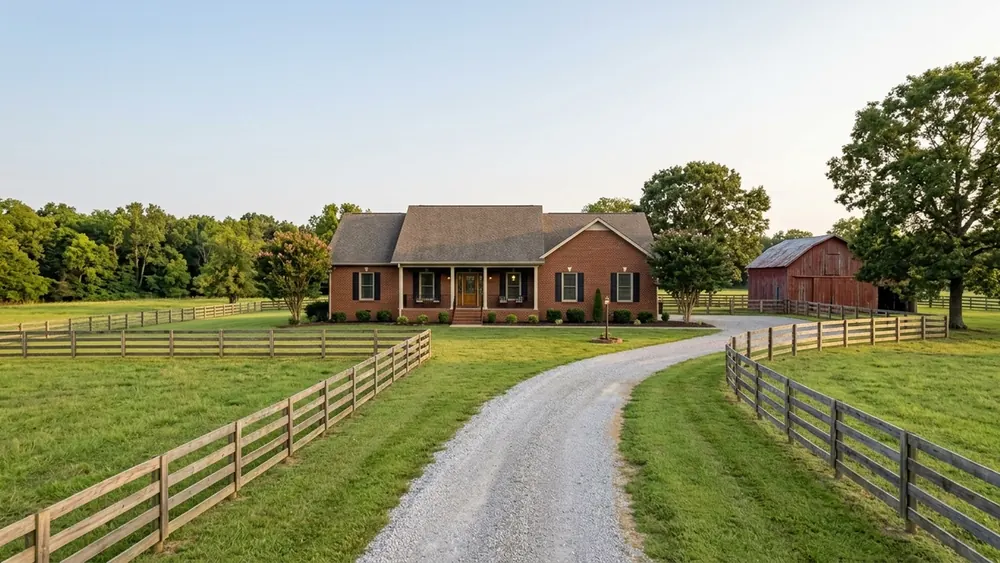
Before buying a Middle Tennessee home on acreage, confirm the boundaries with a licensed surveyor, the well and septic with qualified inspectors, and zoning and permitted uses with the county, then bring financing and insurance questions to a lender and an insurance agent early.
On this page
The short answer on buying acreage
Before you buy a home on acreage outside town in Middle Tennessee, confirm three things with the people who can actually answer them: where the boundaries sit, how the water and septic systems work and what condition they are in, and what the land can be used for. A licensed surveyor, a qualified well or septic inspector, and the county are the sources for those answers. Everything else in an acreage purchase builds on them.
Those questions matter more on land than in town because more of the property is out of view. In a subdivision, utilities, lot lines and rules are usually documented and similar from home to home. On acreage, each property can be its own case. The fence may not follow the line, the well may be a different age than the house, and the plans you have for the land may or may not be allowed.
None of that is a reason to avoid acreage. It is a reason to plan the research before you fall for the view. Buyers who look at land around Murfreesboro, or farther out in places like Lascassas or Shelbyville, often find that the house is only half the decision. The other half is the land itself, and that half deserves its own checklist, its own professionals and its own room in your schedule.
Boundaries, surveys and what you are buying
Start with what you are actually buying. A listing description, a county map and a fence line can each suggest where the property ends, and they do not always agree. A survey by a licensed surveyor shows exactly what land comes with the home and where the lines sit. Ask whether a recent survey exists, and ask the surveyor whether a new one makes sense for this purchase. A real estate attorney can explain what the survey means for your contract.
Access is part of the boundary question too. Ask how you reach the home from the road, whether the driveway sits fully on the property, and whether anyone else has a right to cross the land. Easements for utilities, shared driveways or neighboring parcels can affect how you use the property. Your surveyor and a real estate attorney are the right people to explain what any recorded easement allows and what it means for your plans.
Outbuildings, fences and ponds deserve a look as well. Find out which structures are included in the sale, whether they sit inside the lines, and whether they were built with any required approvals. The county can tell you what records exist for a property. Kelly can help you organize these questions and make sure they are raised at the right point in the purchase, before you are too far along to change course.
Water, wells and septic systems
Many acreage homes rely on a private well for water and a septic system for wastewater instead of city services. That changes the inspection list. A general home inspection looks at the house, but the well and the septic system usually call for their own review by a qualified inspector. Ask early which systems the home uses, because the answer shapes which professionals you need to schedule once you are under contract.
For the well, ask about the age of the system, any maintenance records the seller has, and how the water has been tested. A qualified well inspector can explain what to check and what the results mean. For the septic system, ask where the tank and field are located, when the system was last serviced, and whether any repairs have been made. A qualified septic inspector can speak to its condition and whether it suits your household.
Well and septic questions also connect to your plans. If you want to add a bedroom, build a guest house, or put a pool or a barn near the system, ask how that could affect it. The county can explain what approvals apply, and your inspector can tell you where the system sits. Answering those questions before an offer is much easier than discovering a conflict after you have already moved in.
Zoning, land use and your plans
The land can only do what the rules allow. If you plan to keep animals, add a workshop or barn, run a business from home, or divide the land later, ask the county how the property is zoned and which uses are permitted. Rules can differ from one county to the next and can change, so treat anything you hear informally as a starting point, not an answer. Before you write an offer, bring these questions to the right office:
- How the property is currently zoned and what uses that allows
- Which permits a new barn, workshop or addition would require
- Whether the land can be divided or sold in pieces later on
- Whether a homeowners association or recorded restrictions also apply
Recorded restrictions are easy to overlook outside town. Some rural properties still carry covenants or association documents that limit fences, outbuildings, animals or future building. Ask whether any apply, and read them before you commit. A real estate attorney can explain how they work. Write the answers next to your plans for the land, so you can see clearly whether this property supports how you actually want to live.
Who answers each acreage question
Acreage questions are easier when each one goes to the right person. The table below matches common questions to the reason they matter and the professional or office that can answer them. Kelly’s role is to keep those questions organized and on schedule within the purchase, while each specialist answers the part that belongs to them. Use it as a starting list, and add questions specific to the property you are considering.
| Question | Why it matters | Who to ask |
|---|---|---|
| Where are the property lines | Fences and maps may not match | A licensed surveyor |
| Is there clear access to the road | Affects daily use and a future sale | A surveyor or real estate attorney |
| What condition is the well in | Your water supply depends on it | A qualified well inspector |
| How is the septic system working | Repairs can disrupt daily life | A qualified septic inspector |
| What uses does the zoning allow | Shapes animals, buildings and future plans | The county |
Two more people belong on the list. Talk with a lender early, because financing a home on land can raise questions that a typical in-town purchase does not, and an appraisal may need to account for the land and outbuildings. Ask an insurance agent how coverage works for the home, any outbuildings and the systems that serve the property, so you are comparing complete costs rather than list prices alone.
How acreage changes your timeline and costs
An acreage purchase tends to involve more steps than a home in a subdivision. A survey, a well inspection, a septic inspection and county research each need scheduling, and each result can raise follow-up questions. Build room for that into your plans and discuss contract deadlines with a real estate attorney before you sign. No one can promise how long any step will take, so it helps to ask early rather than assume.
Costs work the same way. Property taxes, insurance, and upkeep for a driveway, fencing, a well pump or a septic system all vary by property. Ask the county assessor or trustee about taxes, an insurance agent about coverage, and your inspectors about upkeep. You do not need every figure before you tour, but you do want them before you commit, so you can compare a home on land against a home in Murfreesboro on equal terms.
Preparing for a conversation about land
Before your first conversation about buying on acreage, write down what you want the land to do for you. That list shapes which questions matter most and which properties are worth a closer look. Bring it along with your price range and any towns you are already considering, and include these points so the search starts from your plans rather than from whatever happens to be listed:
- What you plan to keep, build or grow on the land
- Whether you need room for animals, equipment or outbuildings
- Any plans to divide the land or add a second home later
- Your open questions about wells, septic, boundaries and road access
With that list in hand, a search for land around Rutherford County and the wider Middle Tennessee area becomes a series of clear questions rather than guesses. Kelly can help you weigh how each property fits your plans and line up the right professionals once you find one worth pursuing. What do you most want the land to do for you?
This article is general information about buying and selling a home in Murfreesboro, Rutherford County and Middle Tennessee. It is not legal, tax, lending, appraisal or inspection advice and does not predict prices or promise results. Staging does not guarantee a sale price or timeline. Confirm schools, taxes, zoning, wells and septic with official sources and qualified professionals, contracts with a real estate attorney, and financing with a lender. Kelly Horna, SimpliHOM.

Written by