Home Staging
Should I stage my Murfreesboro home before listing it?
The short answer
You don’t have to stage a Murfreesboro home before listing it, but staging can help buyers understand each room, especially in listing photos. The real decision is which rooms to stage and how staging fits your prep and photo date.
On this page
The short answer on staging before listing
You don’t have to stage your home before you list it, and plenty of homes sell without it. Staging can help buyers understand how each room works, though, and that matters because many buyers see your listing photos long before they ever walk through the front door. So the useful question is not whether staging is required. It is which rooms would benefit, how much change they need, and how staging fits with the rest of your listing plan.
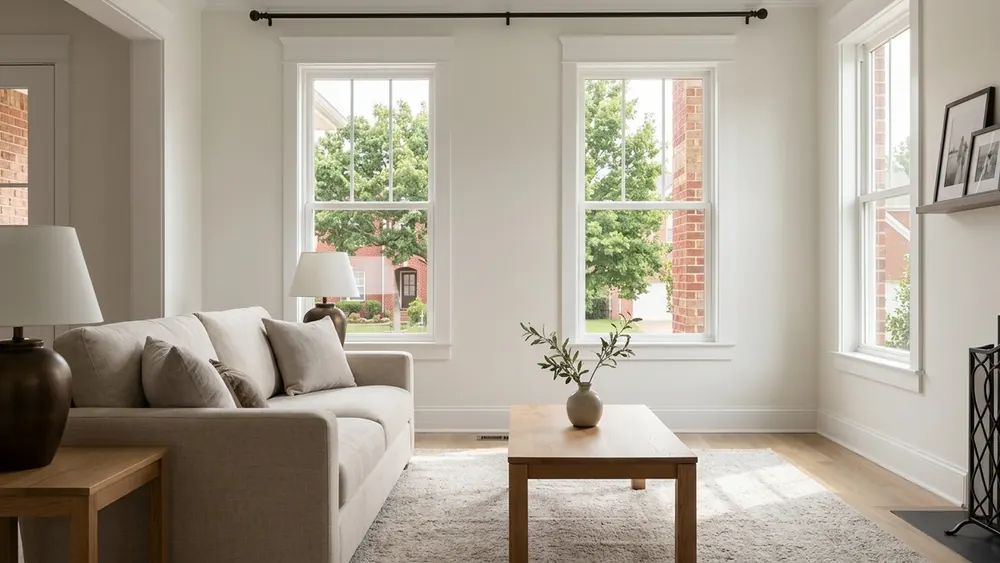
Staging is about layout, light and clearing distractions, not about hiding anything or decorating for its own sake. A staged room simply makes its purpose obvious. The dining room reads as a place to eat, the spare room reads as a bedroom or an office, and the living room shows where the furniture goes and how people move through it. Buyers scrolling through photos on a phone get that message almost at once.
This matters in Murfreesboro and across Rutherford County because buyers often compare several homes in the same price range at once, many of them with similar floor plans. When homes look alike on paper, presentation is one of the few things you control. Staging does not guarantee a sale price or a timeline, and nobody can honestly promise that. What it can do is help buyers see your home clearly instead of guessing at it.
What staging actually changes in a room
Most staging is simpler than people expect. It rarely means bringing in a houseful of new things. More often it means editing what is already there, so each room has one clear job and enough open floor for a buyer to picture their own furniture in it. These are the changes that come up most often when a room is being prepared for listing photos and for showings.
- Moving or removing furniture so walkways are open and the room’s purpose is clear
- Clearing counters, shelves and tabletops so surfaces read as usable space in photos
- Opening blinds, replacing dim bulbs and arranging lamps so light reaches the corners
- Packing away personal photos and collections so buyers can picture themselves living there
Which rooms buyers tend to notice first
You don’t need to stage every room the same way. Start with the spaces that show up first in listing photos and the rooms buyers spend the most time judging on a showing. Those are usually the rooms where first impressions form, and they are where a clear layout does the most work. A sensible order of attention often looks something like this, adjusted for how your own home is laid out.
- The front entry and the view from the street, since that is usually the first photo
- The main living area, where buyers judge flow, light and how furniture fits
- The kitchen, where clear counters and good light make the space easier to read
- The primary bedroom, which should feel calm, uncluttered and simple to picture
- Any flexible room, staged with one clear purpose instead of serving as storage
How staging fits into the rest of listing prep
Staging is most useful when it is planned alongside everything else, not added at the end, because repairs, cleaning, decluttering, staging and the photo date all depend on each other. If the touch-up painting happens after the photos, the photos show the scuffs. If the staging happens before the carpets are cleaned, furniture gets moved twice. Putting the steps in order is a big part of having the home ready on the day it goes live.
A practical order is to declutter first, because you can’t judge a room until the extra things are gone. Small repairs come next, then a deep clean, then staging, then photos, and each step makes the next one easier. Decluttering shows you what needs fixing, the repairs make cleaning worthwhile, and a clean, staged room is what the camera should capture. That sequence also keeps you from spending money on a room you have not really seen yet.
Staging is part of how Kelly prepares a listing, so presentation is planned alongside price and timing from the first conversation. That means the question of what to stage sits next to questions about recent nearby sales and when you want to be on the market, rather than being handled as a separate project later. Seeing all three together tends to make each decision clearer, because you can weigh the effort against the plan as a whole. It also keeps staging from turning into a last-minute scramble.
Staging a home you still live in
Many sellers are still living in the home while it is listed, and staging has to work around real life. The goal is a version of your home that photographs well and can be reset quickly before a showing. That usually means packing early, keeping out only what you use day to day, and choosing a few simple habits, like clearing the kitchen counters each night, that keep the house close to show-ready without constant effort. It is also worth deciding ahead of time which rooms can be lived in normally and which ones need to stay staged the whole time.
It also helps to think about where things go during a showing. A basket for daily clutter, a plan for pet bowls and a spot in the car for the things you grab on the way out can make a short-notice showing far less stressful. None of this needs to be perfect. It just needs to be repeatable, so the home looks the way it did in the photos when buyers arrive.
I walk through a home the way a buyer will, room by room, and ask one question each time: does this space make its purpose obvious in a photo?
Common assumptions that lead sellers astray
One common assumption is that staging means buying new furniture or renovating, when it usually means the opposite: taking things away and arranging what is left. Another is that a smaller home or a townhome doesn’t need staging. Smaller spaces often benefit the most, because buyers worry about whether their things will fit, and a clearly arranged room answers that before they ask. Size changes the details, not the reason for doing it.
A third assumption is that staging can make up for a price that doesn’t match the home, or that it will speed up a sale on its own. Staging helps buyers understand what they are looking at. It doesn’t change the condition of the roof or the recent sales on your street. Treat it as one part of a plan that also includes honest pricing and sensible repairs, and your expectations will be realistic from the start.
What to gather before you talk staging
Before a first conversation about listing, walk through your home with a notepad and look at it the way a buyer scrolling through photos would. You are not trying to fix anything yet, just noticing. Which rooms feel crowded, which ones are dark, and which ones have no clear purpose? Those notes give the conversation a useful starting point and save time once you sit down to build the plan.
It also helps to write down anything you already know needs attention: a dripping faucet, a sticky door, a room that needs fresh paint. Add your rough timeline, whether you will be living in the home while it is shown, and any rooms you are unsure about. If you are also buying your next home, note that too, because it affects how much disruption feels manageable while the house is on the market. None of it needs to be organized perfectly before you talk.
With those notes in hand, staging becomes a set of practical choices rather than a vague worry. If you are getting ready to list in Murfreesboro or nearby, Kelly can walk through the home with you and talk about which rooms to focus on and why. There is no pressure in that first conversation, just a clear look at the house the way buyers will see it. Which room in your home do you think buyers will notice first?
This article is general information about buying and selling a home in Murfreesboro, Rutherford County and Middle Tennessee. It is not legal, tax, lending, appraisal or inspection advice and does not predict prices or promise results. Staging does not guarantee a sale price or timeline. Confirm schools, taxes, zoning, wells and septic with official sources and qualified professionals, contracts with a real estate attorney, and financing with a lender. Kelly Horna, SimpliHOM.

Written by